Updated: August 27, 2026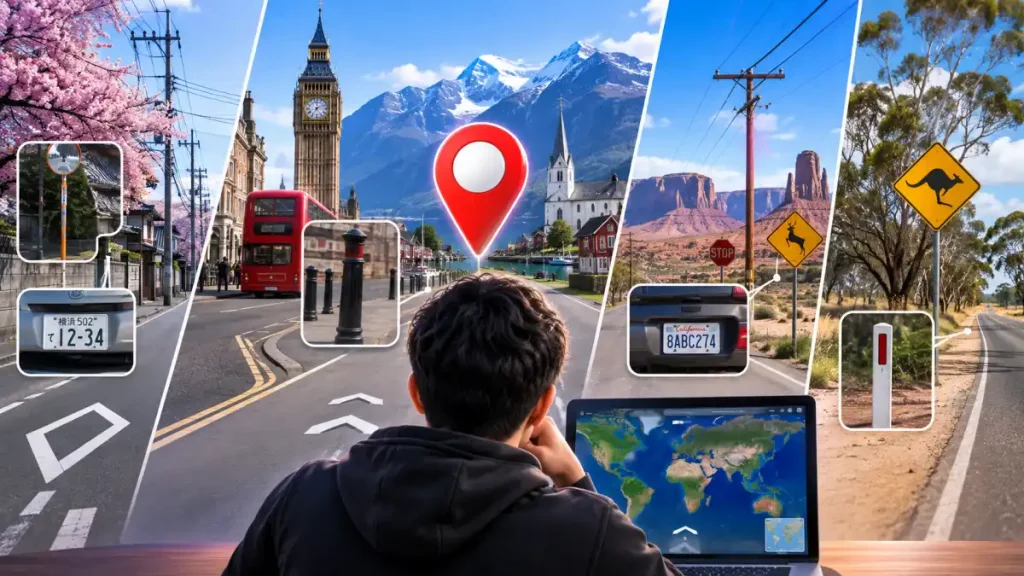

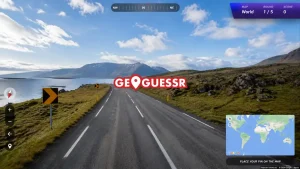
GeoGuessr can feel confusing at first, especially if you are new to it. You’re dropped randomly somewhere in the world and have to figure out where you are using clues. Sometimes you get nothing but a road, signboards, some trees, and a strange-looking Google car. That's why we put together the most useful GeoGuessr tips and tricks to help you get better at the game. We’ll start with the easy clues and then move into some more advanced tricks to get those extra points.
Start With These 9 Basic GeoGuessr Tips
These tips will be more beneficial when you actually have a little idea of how to play GeoGuessr. You don’t need to memorize every road sign or learn hundreds of Google Street View metas on day one. Start with simple clues like the language, driving side, road markings, landscape, and position of the sun.
Once you’ve got the basics down, you can also play GeoGuessr with friends and put your skills to the test. As you play more, you can slowly move on to things like camera generations, Google cars, bollards, utility poles, and regional clues. Let's start with those first:
1. Check Which Side of the Road Cars Drive On
One of the easiest clues is the driving side. Most countries drive on the right, so seeing traffic on the left can quickly narrow down your options. Countries such as the UK, Australia, New Zealand, Japan, India, and South Africa drive on the left.
You don’t always need to see a moving car either. Road signs, parked cars, lane markings, and the position of the Google car can sometimes help you work it out.
2. Look at the Language and Script
If you can read a sign, use it. Language is one of the strongest clues in GeoGuessr, especially when you can recognize a country-specific word, alphabet, or road sign.
Start by learning the major scripts first. Latin and Cyrillic are especially useful, while languages such as French, Spanish, Portuguese, and German can help narrow things down further when combined with the landscape and architecture.
3. Pay Attention to Road Lines and Signs
Road markings might look boring, but they can tell you a lot. Look at the color, thickness, and pattern of road lines, along with the shape and design of traffic signs.
Don’t try to memorize everything at once. Learn a few common road markings first and add more as you play.
4. Use the Sun to Find the Hemisphere
The sun can give you a useful clue when you’re stuck between two regions. In general, if the sun is to the north, you’re likely in the Southern Hemisphere. If it is to the south, you’re likely in the Northern Hemisphere.
This is not foolproof, especially around the equator and the tropics, so don’t use it as your only clue. Think of it as a way to eliminate a few possibilities.
5. Look at Buildings and Architecture
Buildings can have a very strong regional identity. Pay attention to roofs, walls, windows, fences, balconies, and the overall style of houses.
You’ll slowly start noticing patterns. Even when you can’t identify a country from a building alone, architecture combined with the road, language, and landscape can make the answer much clearer.
6. Check the Landscape and Vegetation
Take a quick look at the environment before you start moving. Is it dry or humid? Flat or mountainous? Tropical or temperate? Are there palm trees, dense forests, rocky hills, or red soil?
These clues won’t always give you an exact country, but they can help you rule out large parts of the world. The more you play, the more you’ll recognize the overall “vibe” of different regions.
7. Use the Compass to Pinpoint Your Location
The compass is more useful than it might seem. Once you have a rough idea of where you are, use it to figure out which direction the road, a river, or the coastline is running. You can then compare that direction with the map to narrow down your exact position.
For example, if you spot an intersection or a distinctive landmark, check the direction you are facing before moving around. Remembering whether the road runs north-south or east-west can make it much easier to match what you see with the map later.
The same trick works with coastlines, rivers, mountain ranges, and long straight roads. It might not tell you the answer on its own, but it can help turn a rough guess into a much more accurate pin.
8. Move Smartly in Moving Rounds
If you’re playing a Moving round, don’t just keep clicking forward and hoping you’ll eventually find a useful clue. Your goal is to reach information quickly while remembering where you started.
- Head toward populated areas: If you start in a remote area, moving toward a town can give you access to signs, buildings, and other clues faster.
- Keep an eye on the terrain: Going downhill can sometimes lead toward a settlement, since many towns and roads are built around valleys.
- Remember your starting point: If you find a useful sign after moving, knowing the direction and distance you travelled can help you pinpoint the original location.
- Don’t overmove: Once you have enough information to make a strong guess, stop searching. Spending another minute looking for a perfect clue can sometimes hurt more than it helps.
9. Learn Country-Specific Clues
Once you have the basics down, start paying attention to small pieces of infrastructure. These clues can be much more useful when you’re trying to separate two countries that otherwise look very similar.
- Bollards: Their shape, color, reflectors, and markings can be surprisingly country-specific.
- Utility poles: Look at the pole material, shape, crossbars, and how the wires are arranged.
- Traffic lights: Their shape, placement, and even the poles holding them can help identify a country or region.
- License plates: Check the size, color, and whether you can spot a colored strip or other distinctive detail.
- Road signs: The design, font, border, and mounting style can help you narrow down the location.
- Street furniture: Mailboxes, bus stops, guardrails, fences, and even road barriers can provide useful regional clues.
Don’t try to memorize all of these at once. Pick one clue, learn how it looks in a few countries, and then try to spot it during your games. After you start recognizing these small details naturally, your guesses will become much faster.
Once you get comfortable with these basics, try them out in the Daily Challenge and see how well you do. You can also check our GeoGuessr Daily Challenge Answers to see today’s answer.
Find GeoGuessr Answer Faster with These Websites
You don’t have to learn every GeoGuessr clue on your own. GeoHints and Plonk It are two useful resources I’d recommend once you want to go beyond the basics. Both can help you turn the random clues you notice in-game into something you actually understand and remember.
GeoHints
GeoHints is basically a visual reference library for GeoGuessr clues. You can browse examples of things like bollards, utility poles, traffic lights, license plates, road signs, and other country-specific details, then compare them with what you see in a round.

It’s especially useful when you’re learning because you can focus on one type of clue at a time instead of trying to memorize an entire country guide. You can also check out these free GeoGuessr alternatives to practice your skills and try different game modes.
Plonk It
Plonk It is another excellent resource for learning GeoGuessr. Its country guides go much deeper and explain how to identify countries and regions using everything from road infrastructure to Google car metas and regional differences.

If you’re a beginner, start with the Plonk It beginner guide instead of trying to read every country page. Once you get comfortable, you can use the individual country guides to improve your weaker areas.
Our advice is simple: don’t just read these resources for hours. Learn one or two clues, jump back into GeoGuessr, and try to spot them yourself. That’s how the information actually starts sticking.
Easy GeoGuessr Locations
If you’re still getting used to GeoGuessr, learning a few distinctive locations can give you some quick wins. You don’t need to memorize the whole world. Start with places that have clues you can recognize easily and build from there.
- Iceland: The landscape, roads, and small-town surroundings can make it relatively easy to recognize once you’ve played a few rounds there.
- Singapore: The tropical setting combined with its distinctive urban environment makes it a useful location to learn.
- Malta: Its dry Mediterranean landscape and characteristic buildings can help it stand out from many European locations.
- Bermuda: The island has a distinctive look, with colorful buildings, narrow roads, and left-side driving.
- Faroe Islands: Dramatic mountains, coastal scenery, and limited coverage make this an interesting location to recognize.
- Sri Lanka: Tropical surroundings, left-side driving, and its distinctive road and utility infrastructure can help narrow it down.
These are just starting points, not locations you should blindly guess every time you see a similar landscape. The goal is to learn why a place looks different and then combine those clues with everything else you see.
FAQs
Start with simple clues like language, driving side, road signs, and landscape. Then slowly learn advanced metas.
Look for a combination of clues rather than relying on one. Language, road markings, architecture, infrastructure, and Google car metas can all help.
It can help identify the hemisphere, but it is not always reliable near the equator or tropics. Use it alongside other clues.
Metas are clues linked to Google Street View itself, such as camera generations, car parts, roof racks, and antennas.
Use the compass, road direction, landmarks, and map layout to match what you see with the map before placing your guess.
And that’s all, peeps! These were some of my favorite GeoGuessr tips and tricks to help you get better at the game. Keep playing, keep learning, and don’t worry about those wrong guesses. Stay tuned for more gaming guides and daily puzzle answers!