Published: September 14, 2026

Onimusha is finally making a comeback with Onimusha: Way of the Sword landing on modern hardware in 2026, and that's got a lot of players curious about the past series. Capcom's samurai-versus-demons franchise spans five main entries and was actually released over 25 years. Here's a full guide to the play order of the Onimusha games, both chronologically and in the order they were released, what makes each one worth playing, and where the new entry fits in.
Onimusha Games Chronological Play Order
Since the story mostly moves forward with each entry, release order is the recommended way to play through the series.
1. Onimusha: Warlords (2001)
- Time Period: 1561 Sengoku-period Japan
- Platforms: PlayStation 2 (original), PlayStation 4, Xbox One, PC, and Nintendo Switch
- Metacritic: 86
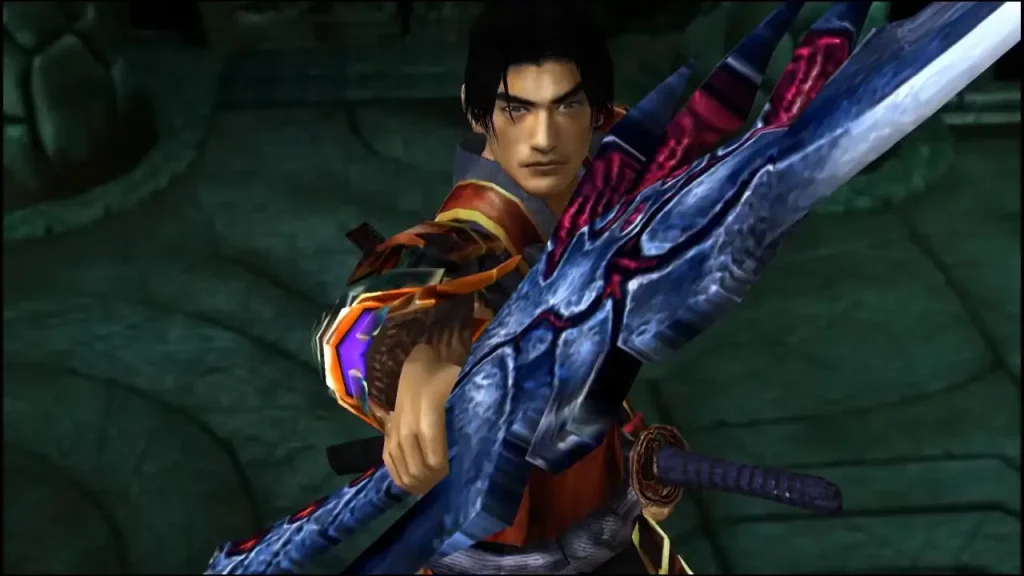
Set in 1561 feudal Japan, the story kicks off after warlord Oda Nobunaga is killed in battle and brought back by a demonic race called the Genma. You play as samurai Samanosuke Akechi, teaming up with ninja Kaede to rescue his kidnapped cousin, Princess Yuki, from the demons holding her.
Gameplay leans on fixed camera angles and tank controls, clearly inspired by early Resident Evil, and it's here that the series introduces its signature mechanic: the Oni Gauntlet, which lets you absorb colored souls from defeated enemies to power up weapons, heal, or refill magic.
It's a bit stiff by today's standards, but the atmosphere and combat still hold up surprisingly well.
2. Onimusha 2: Destiny's Reach (2002)
- Time Period: 1574 feudal Japan (thirteen years after Warlords)
- Platforms: PlayStation 2 (original), PlayStation 4, Xbox One, PC, and Nintendo Switch
- Metacritic: 84
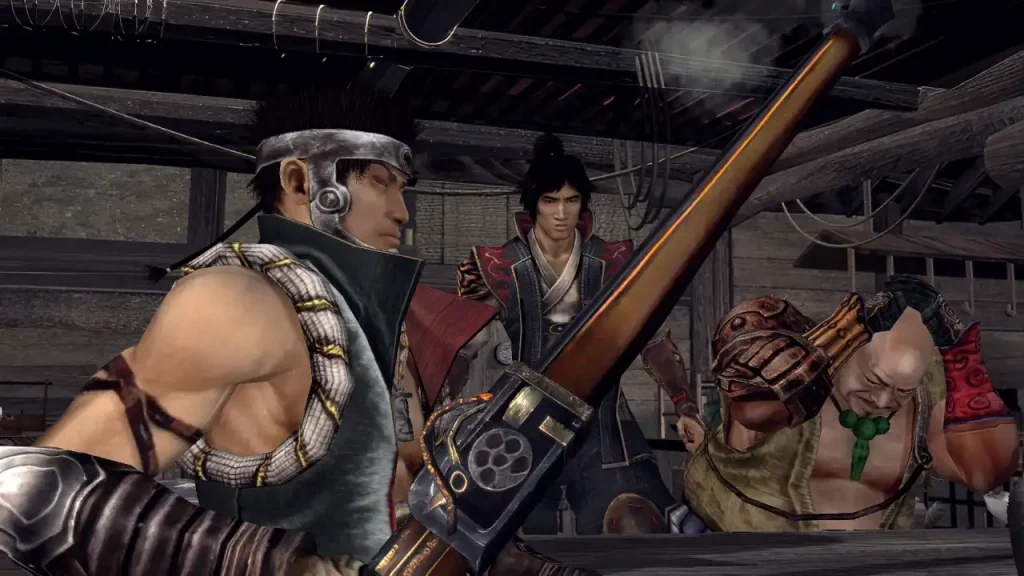
Thirteen years after the first game, Nobunaga has fully embraced his demonic power and wipes out the Yagyu village. The sole survivor, Jubei Yagyu, learns his mother came from the Oni clan and sets off on a revenge mission to take Nobunaga down for good.
The core combat and gameplay here are similar to the original, but this entry adds a deep relationship and gifting system. Jubei can actually trade items with side characters. Who you befriend in the game actually changes which allies fight alongside you, which was a pretty ambitious addition for a 2002 action game.
3. Onimusha 3: Demon Siege (2004)
- Time Period: 1582 feudal Japan / 2004 Paris
- Platforms: PlayStation 2 and PC
- Metacritic: 85

This one goes big with a time-travel plot. The Genma invade modern-day Paris in 2004, pulling French military officer Jacques Blanc back to 1582 feudal Japan, while Samanosuke gets sent forward into present-day Paris to fight demons on the other end of the timeline.
You will switch between two characters, with Samanosuke using traditional swordplay and Jacques fighting with energy-infused whips, as they work together across centuries to stop Nobunaga once and for all.
This is also the first game in the series to ditch the pre-rendered backgrounds in favor of fully 3D environments, which makes exploration feel a lot less restrictive.
4. Onimusha: Dawn of Dreams (2006)
- Time Period: Late 16th century feudal Japan (post-Nobunaga era)
- Platforms: PlayStation 2 (original), PlayStation 4, and PlayStation 5
- Metacritic: 81
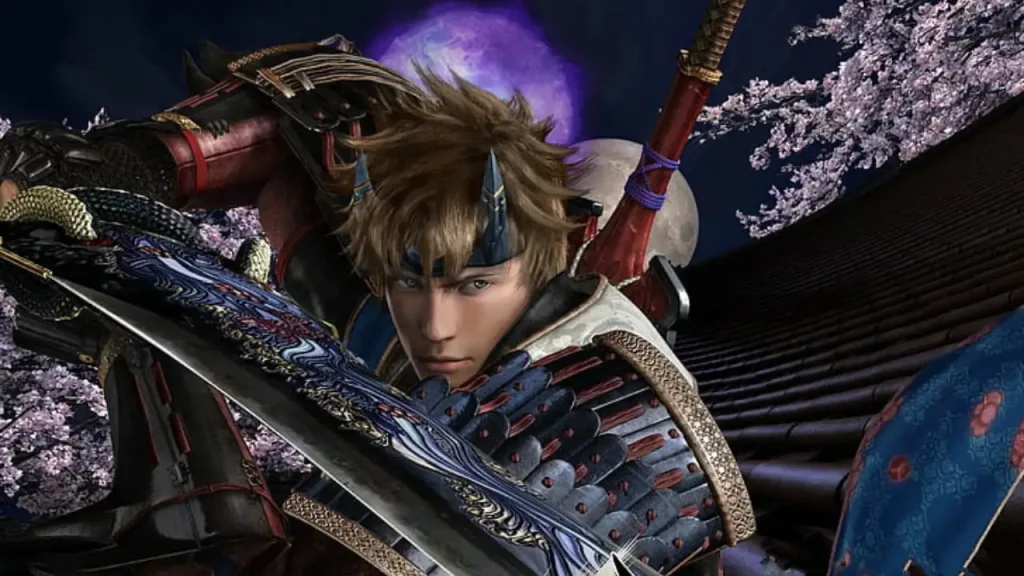
Taking place after Nobunaga's final defeat, this game follows his former follower, Toyotomi Hideyoshi, who takes control and uses the Genma to spread magical cherry blossoms that control people's minds. A mysterious warrior named Soki, also known as the Black Oni, sets out to stop him.
Dawn of Dreams changes the gameplay of the series. It uses a third-person camera and adds co-op features. You can switch between Soki and up to four other characters during fights or use team attacks when needed. This makes the combat faster and more active than in the previous games.
5. Onimusha: Way of the Sword (2026)
- Time Period: Edo-period Kyoto (early 17th century)
- Platforms: PlayStation 5, Xbox Series X/S, Switch 2, and PC
- Metacritic: 86
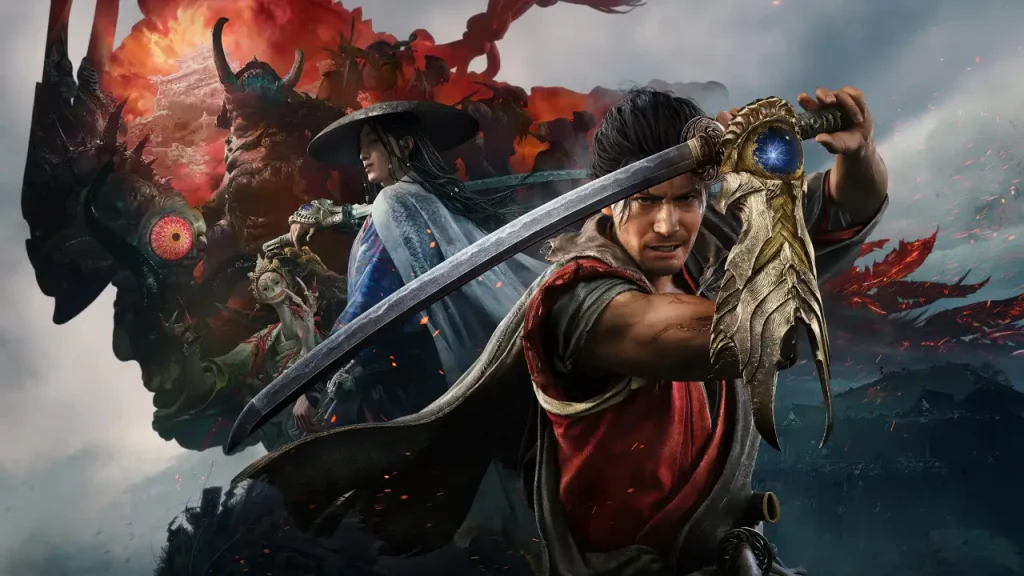
The newest entry is set in Edo-period Kyoto, where dark clouds of corruption called Malice weaken the barrier between worlds and let the Genma pour back through. Legendary swordsman Miyamoto Musashi gets killed by the demons, dragged to hell, and resurrected as a demonic Onimusha warrior with a mysterious Oni Gauntlet.
Built completely from scratch for current-gen hardware, it mixes the classic soul-absorbing system with faster, more intense modern swordplay. The twist this time is that souls aren't just yours to collect freely, since bosses and certain enemies can steal or absorb them mid-fight to power themselves up. This latest entry is actually very well made, and the story is pretty emotional, too.
Onimusha Games Play Order by Release Date
There is actually no difference between the chronological and release order, since the time period actually follows through. But for easier reading, we will show you the proper release timeline of the series:
| Game | Release Year |
|---|---|
| Onimusha: Warlords | 2001 |
| Onimusha 2: Destiny's Reach | 2002 |
| Onimusha 3: Demon Siege | 2004 |
| Onimusha: Dawn of Dreams | 2006 |
| Onimusha: Way of the Sword | 2026 |
Also Read:
Which Onimusha Game Should You Play First?
You can play the Onimusha series the way you want to, but it also depends on what you're after:
- If you want the true starting point, you should go with Onimusha: Warlords, of course. It sets up Nobunaga as the series' big villain and establishes the soul-absorbing gauntlet mechanic every later game builds on.
- If clunky tank controls aren't your thing, Dawn of Dreams is the most modern-feeling of the classic entries, with smoother combat and real co-op mechanics.
- If you want the newest, most polished experience right now, Way of the Sword works fine, since it tells a self-contained story that doesn't require any of the older games.
- If you love time-travel stories, Demon Siege is the most unique entry in the series and worth playing even out of order just for the concept alone.
Since the story mostly builds in a straight line, working through the series in release order is the best way to appreciate how far the games have come, both in story and in gameplay.
FAQs
No. Way of the Sword is set generations later with a new protagonist, so it works fine as a standalone starting point.
Dawn of Dreams and Way of the Sword are usually seen as the strongest because of the smoother, more modern combat, though Warlords remains the fan favorite for nostalgia.
Yes, though the fixed camera and tank controls in the earlier entries take some getting used to compared to modern action games.